


Why Lung Health Matters: Join the Conversation

Lung health is often overlooked, yet it plays a crucial role in our overall well-being. With increasing pollution levels, smoking rates, and respiratory diseases, it is more important than ever to understand the significance of maintaining healthy lungs. This blog post aims to shed light on why lung health matters, the factors affecting it, and how we can all contribute to a healthier future.

Understanding Lung Health
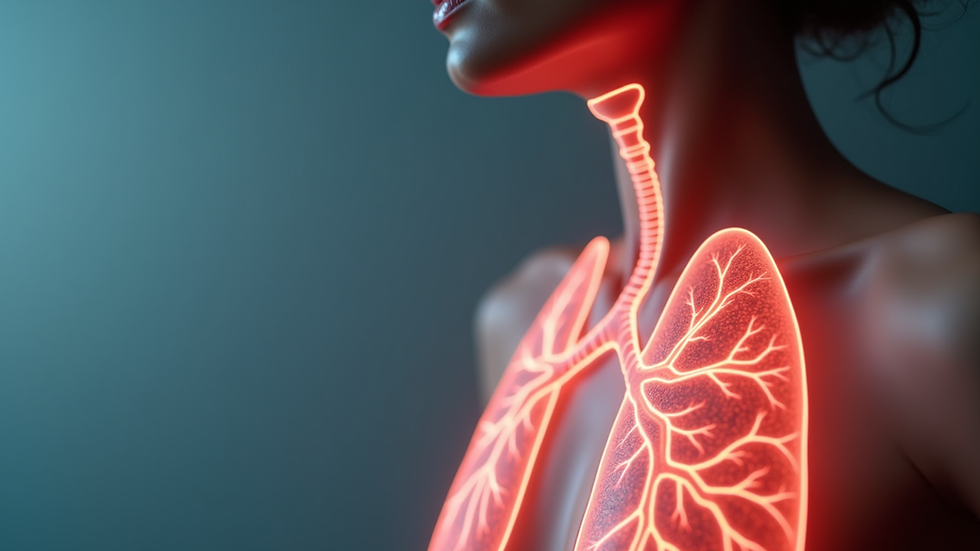
Lungs are vital organs responsible for the exchange of oxygen and carbon dioxide in our bodies. They allow us to breathe and provide oxygen to our blood, which is essential for every cell in our body. When lung health is compromised, it can lead to serious health issues, including chronic obstructive pulmonary disease (COPD), asthma, lung cancer, and other respiratory infections.
The Importance of Healthy Lungs
Healthy lungs are essential for:
Oxygen Supply: Lungs provide the oxygen necessary for cellular functions.
Detoxification: They help remove carbon dioxide and other toxins from the body.
Immune Defense: Lungs play a role in protecting against infections and diseases.
Quality of Life: Good lung health contributes to overall well-being and physical performance.
Factors Affecting Lung Health
Several factors can impact lung health, including:
Environmental Factors
Air Pollution: Exposure to pollutants such as smoke, dust, and chemicals can damage lung tissue and lead to chronic diseases.
Allergens: Pollen, mold, and pet dander can trigger respiratory issues, especially in individuals with asthma or allergies.
Lifestyle Choices
Smoking: Tobacco smoke is one of the leading causes of lung disease. Quitting smoking can significantly improve lung health.
Physical Activity: Regular exercise strengthens the lungs and improves overall respiratory function.
Genetic Factors
Some individuals may be genetically predisposed to lung diseases. Conditions such as cystic fibrosis and alpha-1 antitrypsin deficiency can affect lung function and require specialized care.
Common Lung Diseases
Understanding common lung diseases can help us recognize symptoms and seek timely treatment.
Asthma
Asthma is a chronic condition characterized by inflammation and narrowing of the airways. Symptoms include wheezing, shortness of breath, and chest tightness. Asthma can often be managed with medication and lifestyle changes.
Chronic Obstructive Pulmonary Disease (COPD)
COPD is a progressive lung disease that makes it difficult to breathe. It is primarily caused by smoking and long-term exposure to irritants. Symptoms include chronic cough, mucus production, and difficulty breathing. Early diagnosis and management can slow disease progression.
Lung Cancer
Lung cancer is one of the leading causes of cancer-related deaths worldwide. Risk factors include smoking, exposure to secondhand smoke, and environmental pollutants. Early detection through screening can improve outcomes.
Promoting Lung Health
Taking proactive steps to maintain lung health is essential. Here are some practical tips:
Avoid Smoking and Secondhand Smoke
Quitting smoking is the most significant step you can take to protect your lungs. If you don’t smoke, avoid exposure to secondhand smoke, which can also harm lung health.
Improve Indoor Air Quality
Ventilation: Ensure proper ventilation in your home to reduce indoor air pollutants.
Air Purifiers: Consider using air purifiers to filter out allergens and pollutants.
Houseplants: Certain plants can improve indoor air quality by absorbing toxins.
Stay Active
Regular physical activity strengthens the lungs and improves overall health. Aim for at least 150 minutes of moderate aerobic activity each week. Activities like walking, swimming, and cycling can enhance lung capacity and efficiency.
Get Vaccinated
Vaccinations can help prevent respiratory infections. Stay up-to-date with vaccines for influenza and pneumonia, especially if you are at higher risk.
Monitor Air Quality
Stay informed about air quality in your area. On days when pollution levels are high, limit outdoor activities, especially strenuous exercise.
The Role of Nutrition in Lung Health
A balanced diet can significantly impact lung health. Certain nutrients play a vital role in maintaining healthy lungs:
Antioxidants
Foods rich in antioxidants, such as fruits and vegetables, can help combat oxidative stress in the lungs. Consider incorporating:
Berries: Blueberries and strawberries are high in antioxidants.
Leafy Greens: Spinach and kale provide essential vitamins and minerals.
Omega-3 Fatty Acids
Omega-3 fatty acids, found in fish like salmon and walnuts, have anti-inflammatory properties that can benefit lung health.
Hydration
Staying hydrated helps keep mucus membranes moist, making it easier to breathe. Aim for at least eight glasses of water a day.
The Importance of Regular Check-Ups
Regular check-ups with a healthcare provider can help monitor lung health and catch potential issues early. Discuss any respiratory symptoms with your doctor, especially if you have a history of lung disease or risk factors.
Screening for Lung Cancer
For individuals at high risk of lung cancer, screening with low-dose CT scans can help detect the disease early when it is more treatable.
Community Involvement and Advocacy
Joining the conversation about lung health is essential. Here are ways to get involved:
Support Lung Health Organizations
Many organizations focus on lung health awareness and research. Consider supporting or volunteering with groups like the American Lung Association or local health initiatives.
Participate in Awareness Campaigns
Engage in community events that promote lung health awareness. These can include health fairs, educational seminars, and social media campaigns.
Advocate for Clean Air Policies
Support policies that aim to reduce air pollution and promote clean air initiatives. Advocate for regulations that protect public health and the environment.
Conclusion
Lung health is a critical aspect of our overall well-being. By understanding the factors that affect our lungs and taking proactive steps to maintain their health, we can improve our quality of life and reduce the risk of respiratory diseases. Join the conversation about lung health, support initiatives that promote clean air, and encourage others to prioritize their lung health. Together, we can create a healthier future for ourselves and generations to come.

Comments