


Understanding Lung Diseases: Key Facts and Prevention

Lung diseases are a significant health concern worldwide, affecting millions of people and leading to serious health complications. From chronic obstructive pulmonary disease (COPD) to asthma and lung cancer, understanding these conditions is crucial for prevention and management. This blog post will explore key facts about lung diseases, their causes, symptoms, and most importantly, how to prevent them.
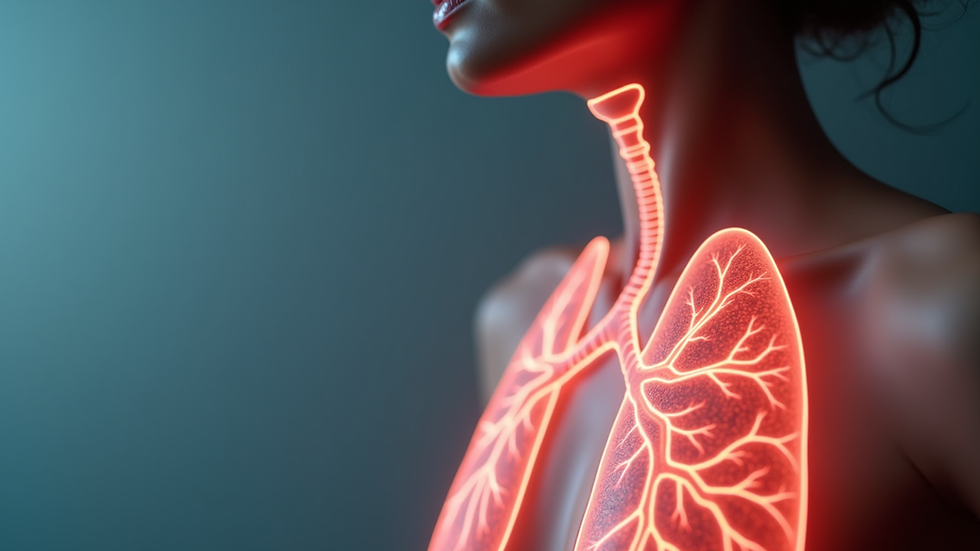
What Are Lung Diseases?
Lung diseases encompass a wide range of conditions that affect the lungs and respiratory system. They can be classified into several categories, including:
Obstructive lung diseases: These include conditions like asthma and COPD, where airflow is obstructed, making it difficult to breathe.
Restrictive lung diseases: These diseases, such as pulmonary fibrosis, restrict lung expansion and reduce lung volume.
Infectious lung diseases: Conditions like pneumonia and tuberculosis fall into this category, caused by pathogens.
Lung cancer: A serious condition that can arise from various factors, including smoking and environmental exposures.
Understanding the different types of lung diseases is essential for recognizing symptoms and seeking timely medical intervention.
Key Facts About Lung Diseases
Prevalence and Impact
Lung diseases are among the leading causes of morbidity and mortality globally. According to the World Health Organization (WHO), COPD alone is projected to become the third leading cause of death by 2030. Here are some important statistics:
Asthma affects approximately 300 million people worldwide.
COPD is responsible for over 3 million deaths each year.
Lung cancer accounts for nearly 1.8 million deaths annually, making it the leading cause of cancer-related deaths.
Risk Factors
Several factors can increase the risk of developing lung diseases, including:
Smoking: The leading cause of lung diseases, responsible for 85% of lung cancer cases and a significant contributor to COPD.
Air pollution: Exposure to pollutants, both indoor and outdoor, can lead to respiratory issues.
Genetics: A family history of lung diseases can increase susceptibility.
Occupational hazards: Certain jobs expose individuals to harmful substances, increasing the risk of lung diseases.
Symptoms to Watch For
Recognizing the symptoms of lung diseases early can lead to better outcomes. Common symptoms include:
Persistent cough
Shortness of breath
Wheezing
Chest tightness
Frequent respiratory infections
If you experience any of these symptoms, it is crucial to consult a healthcare professional for evaluation.
Prevention Strategies
Preventing lung diseases involves a combination of lifestyle changes, environmental awareness, and regular health check-ups. Here are some effective strategies:
Avoid Smoking and Secondhand Smoke
Quitting smoking is the most significant step you can take to protect your lung health. If you do not smoke, avoid exposure to secondhand smoke, which can also harm your lungs.
Improve Indoor Air Quality
Indoor air pollution can be just as harmful as outdoor pollution. To improve air quality at home:
Use air purifiers to reduce allergens and pollutants.
Ensure proper ventilation when using cleaning products or paints.
Avoid using wood-burning stoves or fireplaces.
Stay Active
Regular physical activity can strengthen your lungs and improve overall health. Aim for at least 150 minutes of moderate aerobic activity each week. Activities like walking, swimming, or cycling can be beneficial.
Get Vaccinated
Vaccinations can help prevent respiratory infections that can lead to lung diseases. Ensure you are up to date with vaccines for influenza and pneumonia, especially if you are at higher risk.
Monitor Environmental Exposures
Be aware of air quality in your area. On days when pollution levels are high, limit outdoor activities, especially strenuous ones. Use masks if necessary, particularly in polluted environments.
Managing Existing Lung Diseases
If you have already been diagnosed with a lung disease, managing your condition is crucial. Here are some tips:
Follow Your Treatment Plan
Work closely with your healthcare provider to develop a treatment plan tailored to your needs. This may include medications, inhalers, or pulmonary rehabilitation programs.
Monitor Symptoms
Keep track of your symptoms and any changes in your condition. This information can help your healthcare provider make necessary adjustments to your treatment.
Join Support Groups
Connecting with others who have similar experiences can provide emotional support and practical advice. Look for local or online support groups for individuals with lung diseases.
Conclusion
Understanding lung diseases is vital for prevention and effective management. By being aware of the risk factors, recognizing symptoms, and implementing preventive measures, you can significantly reduce your chances of developing these conditions. Remember, your lung health is essential for overall well-being. Take proactive steps today to protect your lungs and ensure a healthier future.
By prioritizing lung health, you not only improve your quality of life but also contribute to a healthier community. Stay informed, stay active, and don’t hesitate to seek medical advice when needed.


Comments